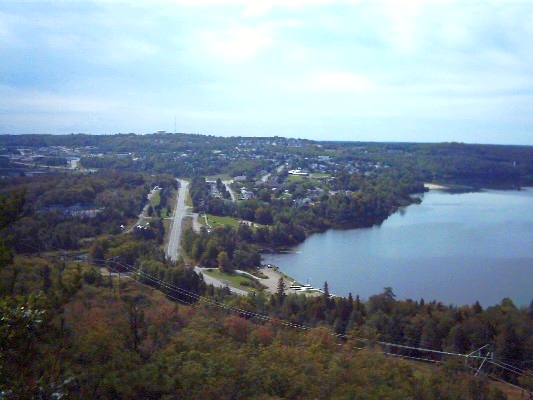
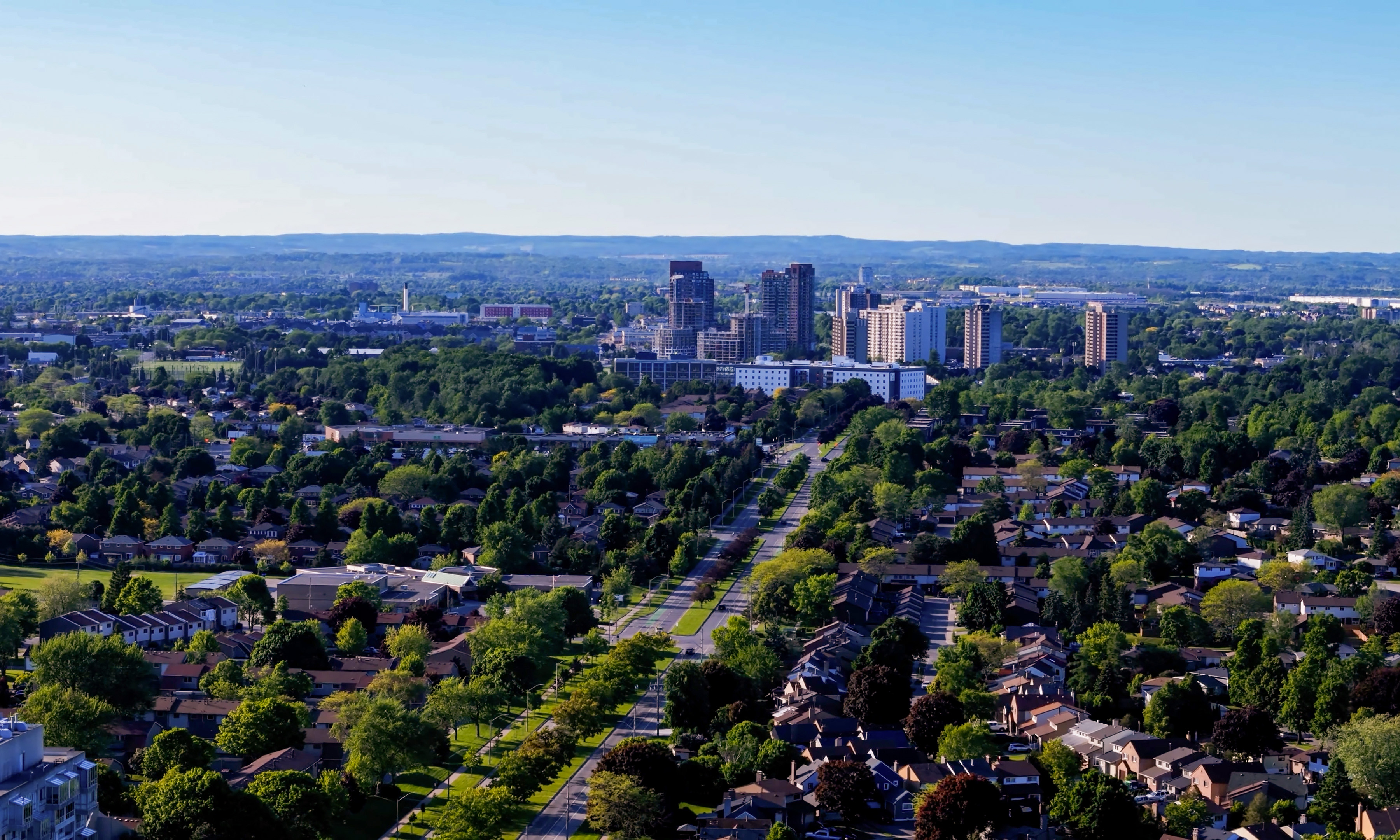
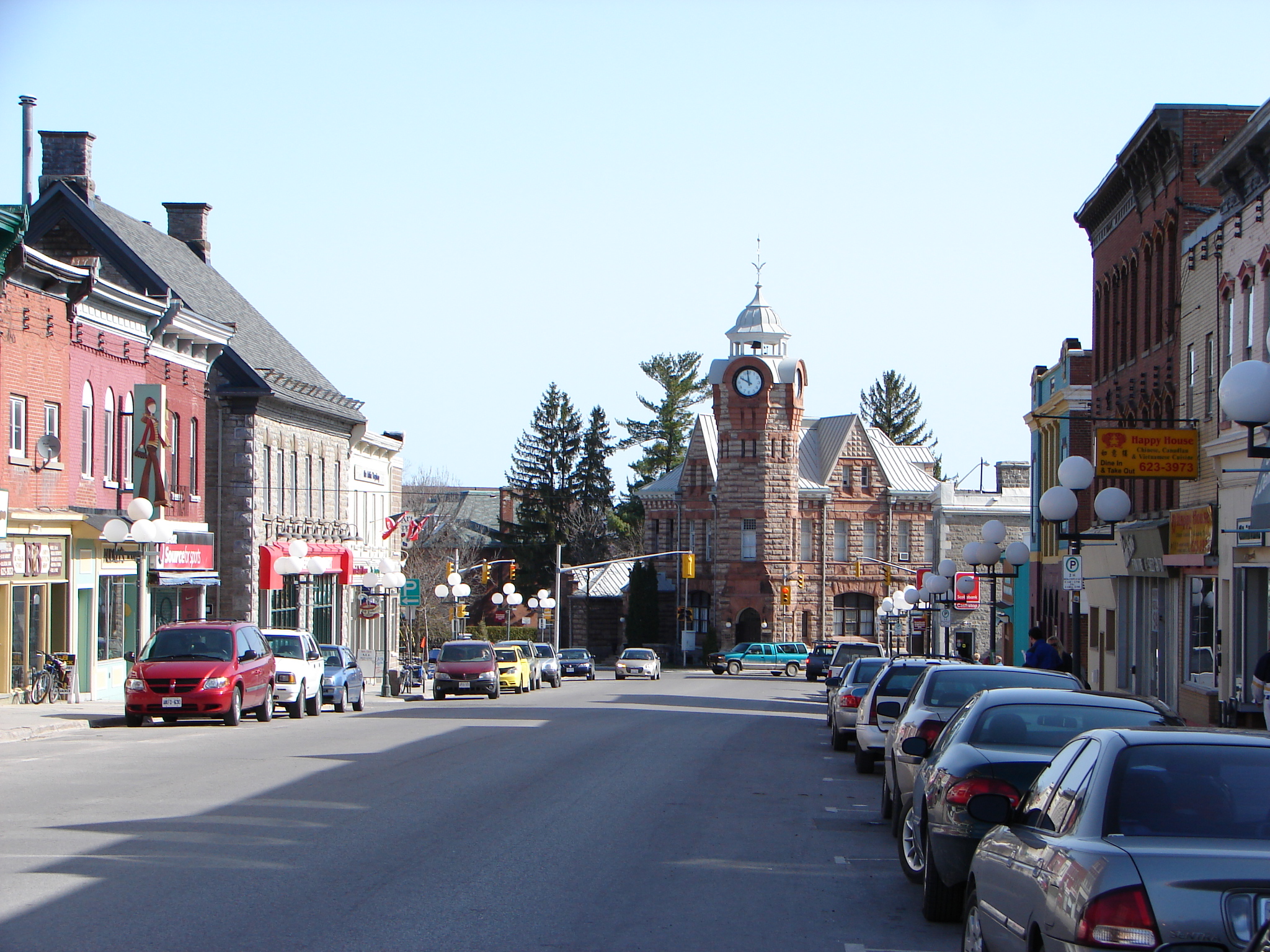
Elliot Lake was a planned community built for uranium, not a village that slowly grew into a city. Municipal history traces the Improvement District of the mid-1950s through township and town status to cityhood in 1991, with Rio Algom and Denison shaping housing and work. The last mine, Stanleigh, closed on June 30, 1996. What stayed was the lake country and a deliberate pivot: Retirement Living, tourism, and small-business diversification instead of waiting for another ore contract.
The outdoors pitch is specific. Mt. Dufour Ski Hill sits in the heart of the city. Stone Ridge Golf Course, Sheriff Creek Wildlife Sanctuary, Mississagi Provincial Park, paddling water, and one of the larger insured ATV networks in the country fill the calendar across seasons. Nearly 300 kilometres of groomed snowmobile trails and The Nooks bouldering area north of town keep weekenders and year-round residents on the same maps. The Nuclear and Mining Museum, open since 1963, still explains how the place got on the map in the first place.
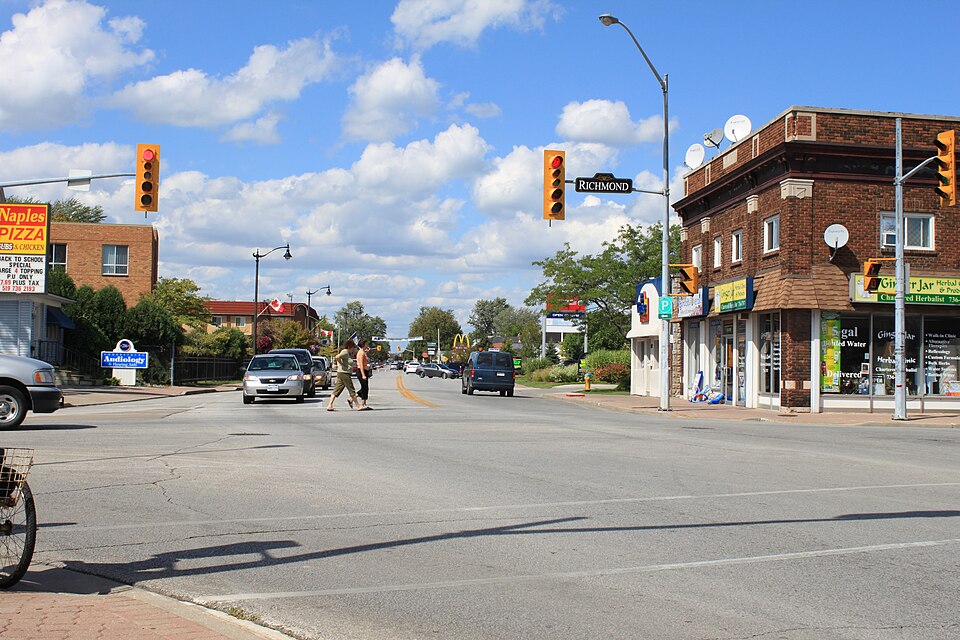
Ojibwe place memory names the lake Mooshgodne'gamiing, the lake is full, for its fish. The city acknowledges Serpent River, Mississauga, and Sagamok First Nations on Robinson-Huron Treaty land. Quirke Lake and the W.H. Collins Hall Centre keep prospecting lore close at hand, while Pearson Plaza carries everyday errands. Elliot Lake reads as an Algoma community that survived boom and bust by selling lake air, trails, and a quieter second chapter rather than pretending the mines never defined the skyline.